
SIDETRACKS & DETOURS, Sunday 30th August 2026: Too Darn Hot jazz review, from Lanzarote.
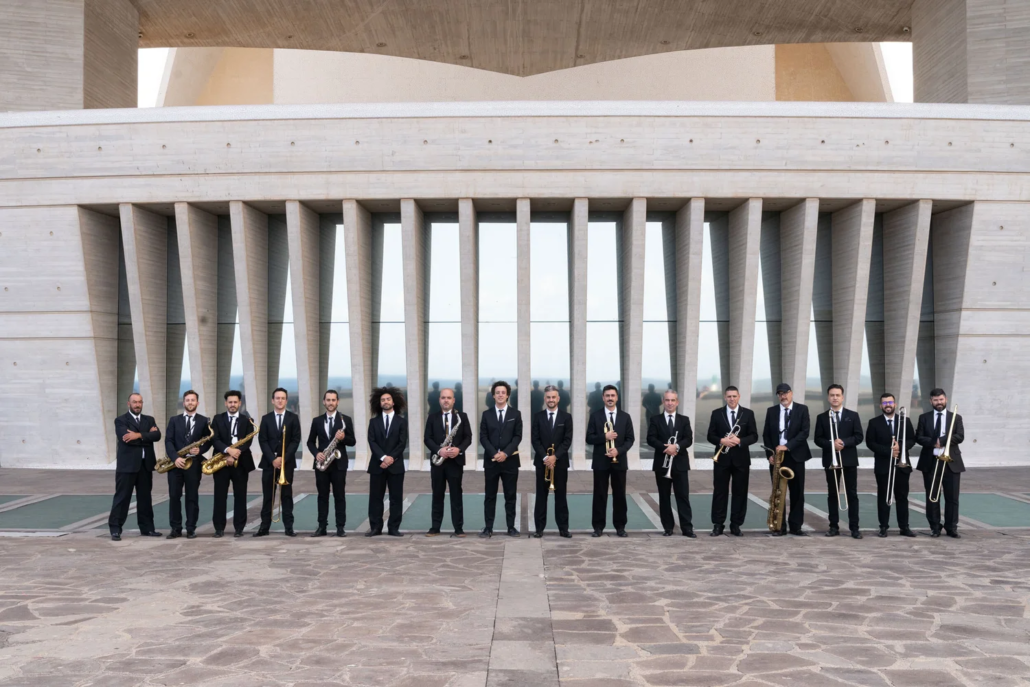
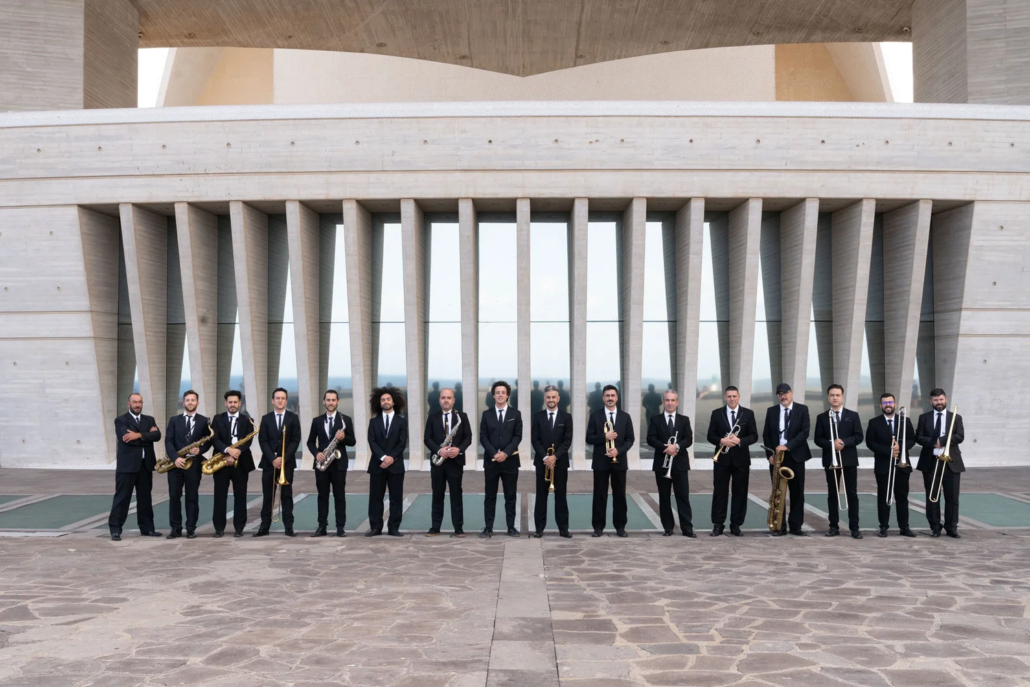
The Atlantic Jazz Lab Orchestra returned to Lanzarote on Sunday May 10th to present Too Darn Hot!, their new album recorded in La Gomera and released on the Dutch label Télès Jazz Records.
Their performance paid tribute to the great female voices of jazz—Anita O’Day, Diana Krall, Doris Day, and Peggy Lee—through the orchestra’s arrangements and the vocals of Esther Van Hees, winner of the 2025 Edison Jazz Award in the Netherlands. Under the direction of Tenerife-born trumpeter and producer Natanael Ramos, this internationally distributed production brings the Canary Islands to the European jazz circuit for the first time.
Born in La Oratova, (Canary isklands, Spain), in 1988, Nataneal graduated with a Master in Jazz degree at The Conservatorium van Amsdterdam with Ruud Breuls, Jan Oost hof, Joris Roelofs and many others after having completed the Bachelor in Jazz Trumpet at The Centre For Advanced Musical Studies Of The Basque Country with trumpeter Chris Case.
Nataneal has also been taught by Perico Sambeat, Bob Sands, Miguel Blanco, Roger Mas, Juaquin Chacon and, in master-classes, with the great Wynton Marsalis, and many others. He now leads his own band, a Latin Jazz nonet, La Banda de Solar as well as Ibaka, a salsa collective in Tenerife, for which he creates projects and takes on composing and arranging tasks as well. Nataneal has also become the artistioc diorector of The Atlantic laboratory For Jazz And New Musics.
On the latin music side he has been a member of Caracas Latin Brothers and MG Son Iya Latin orchestras. Other individuals and ensembles he has worked with inlcude Maquinaria Band, Orquesta La Sabroas and one of the most recognised traditional cuba bands in the Canary Islands. Troveros de Asieta.
As a comoposer and arranger Natianial has has worked with include North Atlantic Jazz Collection, Big Band de Canarias, Reunion Big Band and Sedajazz Latin Ensembler.
As a teacher Nataneal has taught a number of workshops and master-classes in different countries across Europe.
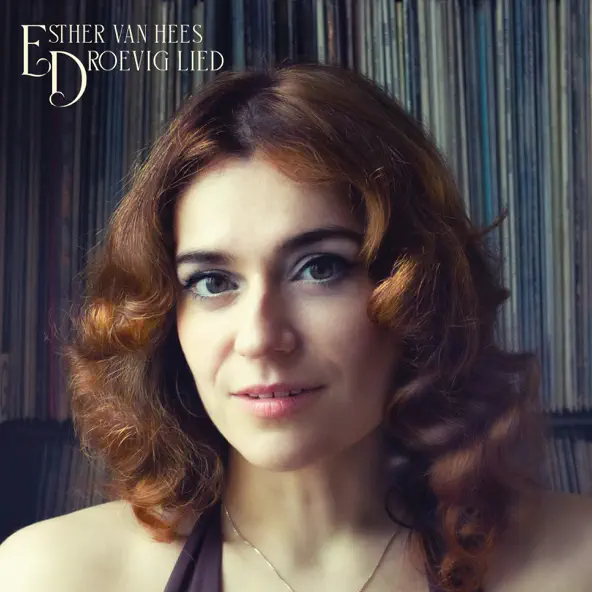
Today Nataneal is working with Esther Van Hees who is making another visit to Lanzarote, for the first time since playing in a different show with more or less the same support for Too Darn Hot.
Although today´s concert is celebrating female jazz artists, Esther Van Hees confesses that, with his unique voice and storytelling trumpet style, Chet Baker performed jazz standards so exquisitely that they became forever associated with him. Who doesn’t immediately think of Chet Baker upon hearing My Funny Valentine, Alone Together, or How Deep Is the Ocean?
She paid tribute to Chet Baker in a special setting during a recent Red Light Jazz Festival, in the intimate setting of Prince Charming, a restaurant is located in Hotel Prins Hendrik, where Chet Baker spent his final night and died in 1988 after falling from a window.
For Esther, Chet Baker remains a major source of inspiration, particularly for his unique phrasing and unmistakable sound
Esther van Hees was born in 1991 and as a jazz vocalist she is now identified for her deep connection to lyrics and her velvety sound. Dutch newspaper de Volkskrant compared her voice to that of Norah Jones. In 2025, Esther performed at the North Sea Jazz Festival, where she also received the Edison National Vocal Award.
Today she was accopmpnioed by The Atlantic Jazz Lab Orchestra, (AJLO) founded in 2017 under the name of Atlantic Jazz Orchestra as part of the Atlantic Laboratory of Jazz and New Music, an organization dedicated to the promotion of jazz in the Canary Islands.
The AJLO is directed by trumpeter Natanael Ramos , one of the most outstanding musicians of his generation. In addition to his work as the orchestra’s director, Ramos is also a composer, arranger, and educator, and has received numerous awards and accolades, including first prize for Big Band Composition from the Granada Jazz Association and the SGAE Foundation in 2015.
The Atlantic Jazz Lab Orchestra is comprised of some of the country’s most prominent and respected jazz musicians and boasts a repertoire ranging from jazz classics by artists such as Duke Ellington, Count Basie, and Frank Sinatra to new compositions and arrangements by composers like Kenny Wheeler, Chris Kase, and Miguel Blanco . The orchestra has toured throughout the Canary Islands and other parts of Spain, as well as performing at festivals such as the Canary Islands International Music Festival and the Canary Islands International Jazz Festival.
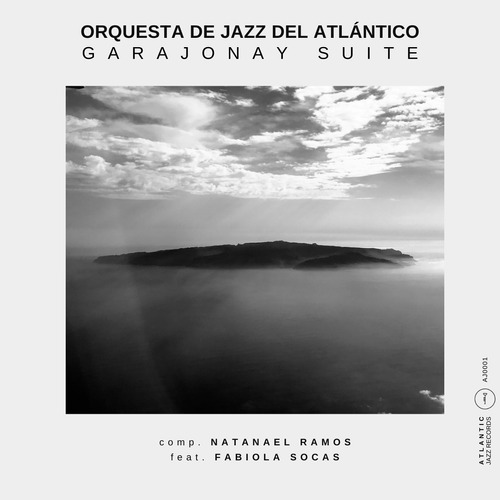
In addition to their work on stage, AJLO is also committed to music education and conducts numerous programs and workshops for young musicians and music students. They have recently released their first album, “Garajonay Suite.”
The Artistic template if The Orchestra inclñudes
Trumpets: Álvaro Artime, Natanael Ramos, Leo Torres, and Julian Díaz.
Trombones: Pablo Martínez, Cristo Delgado, and Pablo González.
Woodwinds: Fernando Sánchez, Diego Jimenez, Cameron Rivero, Marcos Pérez, and Juan Antonio Martín.
Piano: Daahoud Salim.
Double Bass: Paco Charlín.
Drums: Andreu Pitarch.
As I mentioned earlier, today´s show was performed under the borrowed title of Too Darn Hot, that is, of couirse a title usually attached to a song written by Cole Porter, for one of the most loved-musicals of all time.
In the stage version, it is sung at the start of Act 2, and in the 1948 original Broadway production,with Lorenzo Fuller singing it as the character of Paul and Eddie Sledge and Fred Davis (as the specialty dancers), leading the full company.
IMGM Hollywood created a film version in 1953 in which the song was moved to a much earlier point in the narrative point in the narrative with Ann Miller delivering the vocals in her casting of Lois Lane Fred’s new girlfriend, who is cast as Bianca. Most critics, and perhps audience members too, felt the song does not contribute to the plot in either the stage or film versions ; in the stage version, the song represents the company of The Taming of the Shrew taking a break offstage during the intermission of their play; in the film version it allowed the audience to see Lois’s fun-loving, risk-taking nature, and gave Ann Miller a chance to show off her dancing skills, specifically tap. The Kinsey Report noted that the line ‘According to the Kinsey report‘ (in the original stage production) was changed in the film version to ‘According to the latest report’. The song has also beenperformed on stage,m tv and radio as well as on recordiongs by many well known names. by many artists such as Claire Martin and, of course, Ella Fitzgerald.
In this wonderful jazz concert today Esther Van Hees delivered her own excellent verion of Too Darn Hot…

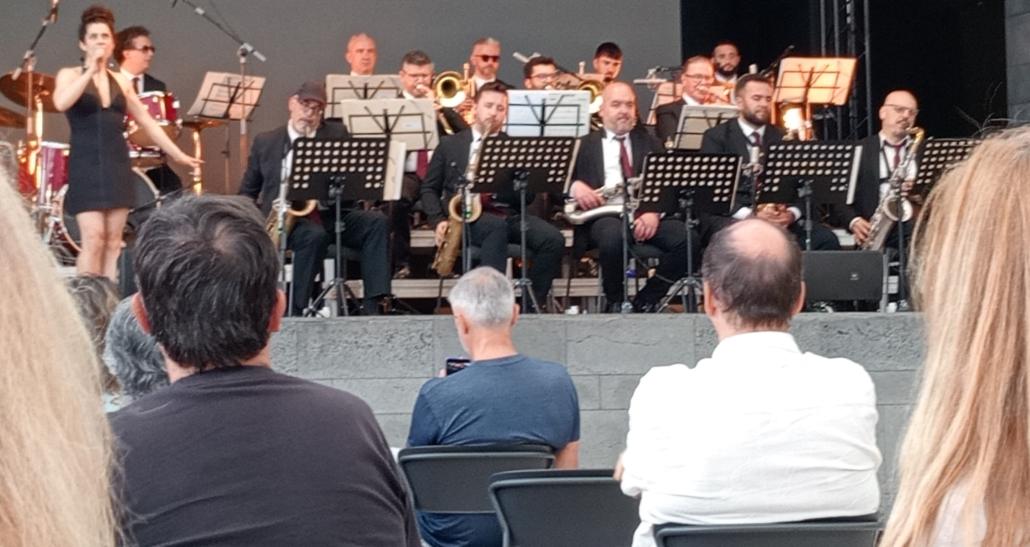
Fourteen musicians took to the stage in what was a modern day amphitheatre, built in the depth of the three years old but still brand new Barcelo hotel that rightly labels itself as The Barcelo Experience (right) . With palm trees and beautiful water features in the Wembley sized reception area and a long distance infinity swimming pool that reaches out to the shore line and across the ocean to Fuerteventura and its golden sand dunes The Barcela appears to live up to itds reputation for elegance.
Around two hundred people attended this performance of Too Darn Hot Jazz: some would have been holiday makers staying at the hotel, some would have been holiday makers from Playa Blanca and other resorts, some would have been indigenous of Lanzarote, and some, like my wife Dee and I and our friends Iain and Margaret, were surely new immigrants and new citizens of the island.
As I was counting the number of players in the band as they tuned up instruments like piano, double bass, trumpet, saxophone and percussion there was a brief radio introduction as Esther Vees, the vocalist, stepped out in a little black dress, approached the microphone, said hello and thank you for being here, clicked her fingers and the music was immediately underway.
It was a good to begin with title of the performance Too Darn Hot and its rhythmic lyric and excellent little scat interpretation certainly set the tone for the whole performance.
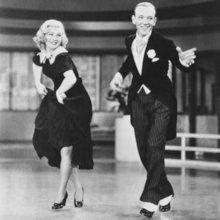
Dancing Cheek To Cheek was next, instantly recognisable with its breathy introductory line of ¨Heaven, I´m In Heaven´. Written, of course, by renowned songwriter Irving Berlin, around 1934–1935, the song was specifically composed for the musical film Top Hat, in which it was famously performed by Fred Astaire dancing with Ginger Rogers (left) with Astaire singing the song to Rogers as they dance. The song was nominated for the Best Song Oscar for 1936, but was voted second to Lullaby of Broadway. However, Cheek To Cheek spent five weeks at #1 on Your Hit Parade and was named the #1 song of 1935. and Astaire’s 1935 recording with The Leo Reisman Orchestra was inducted into the Grammy Hall of Fame in 2000. In 2004, Astaire’s version finished at No. 15 on AFI’s 100 Years…100 Songs survey of top tunes in American cinema. The song has proven longevity and popularity, confirmed by
the database of secondhandsongs.com, By 2021 Cheek to Cheek has been recorded by 438 different artists including the likes of Sinatra, Billie Holiuday, Ella Fitzgerald & Louis Armstrong, Doris Day and even (in 2014) Tony Bennett and Lady Gaga in one of my favourite versions.
Esther then took the opportunity to introduce the members of the rhythm section of orchestra who proved to be quite brilliant throughout the rest of the show. There was a bar open at the far side of the auditorium, but there were no lounge-bar lizards out today for this mid-day concert. Instead the audience stayed in their seat to enjoy what was already promising an enthralling and intriguing set-list. Esther had, so early on, shown that she would be able to handle it.
For instance, the third song of the concert was called, I think, Take Two Shiny Stockings. Esther gave a light-footed, teasing performance of this song thatmaintained this early air of intrigue. This was due to the fact that although the musical composer of the song was Frank Foster for the Count Basie Orchestra. two sets of lyrics, one by Ella Fitzgerald and the other by Louis Armstrong were written and became equally popular. It seemed to me that Esther Vees melded the two sets of lyrics together in what was quite a sassy performance.
This slight air of mystery of this concert was noticed again in Come Rain Or Come Shine that incorporated a brief ac appela insert from Esther. This is a well loved song that is now a jazz standard. .Harold Arlan wrote the music and Johnny Mercer wrote the lyrics and the song was included in St Louis Women, a musical that opened on March 30, 1946, and closed after over a 100 performances. The show also produced another notable standard, Any Place I Hang My Hat Is Home.
In fact,Come Rain or Come Shine is one in a series of enduring songs with meteorological themes that Arlen composed through the course of his career, including , Stormy Weather, Ill Wind (1934), Over The Rainbow (1939), When the Sun Comes Out (1941), and the delightful I Never Has Seen Snow (1954).
Esther´s following song was the fun dialogue that constitutes Let´s Call The Whole Thing Off. I love the simplicity of two being fed up of how their partner seems to speak their shared language in a totally different dialect. Esther handled this superbly, having a laugh with the audience as we, and she, it seemed, smiled at how many pronunciations there can be of the word potato.
Let’s Call the Whole Thing Off is a song written by George and Ira Gershwin for the 1937 film Shall We Dance, where it was introduced by Fred Astaire and Ginger Rogers as part of a celebrated dance duet on roller skates !. The sheet music has the tempo marking of ´brightly and that was certainly how The Atlantic Lab Orchestra delivered this song ranked No. 34 on AFI’s 100 Years…100 Songs. Most jazz fans will have heard this song in theír local jazz club by a myriad of assorted musicians and I´m sure my friend Steve Bewick, the jazz journalist and radio presenter, will have played several versions over the years on his on-line programme, Hot Biscuits
Love Me Or Leave Me, a Donaldson / Kahn composition was probably my favourite selection in the concert. With the cool dude on the drums, wearing his shades, seemingly paying respects to this moody song.. Esther captured the mood of the song exactly, and delivered perfectly with the orchestra playing at a respectful, slightly subdued tempo and volume. She has a voice not only suitable to ´torch songs, but also to bluesy ballads like this.
For the next number, under a mid-day sun at full height, we were invited to conjure up the darkness of a night with NO MOON AT ALL. I wonder if David Mann and Redd Evans, collaborators on this song, would ever have imagined that their composition would be performed almost eighty yearslater, in a posh new hotel, for holiday makers on a tourist island that was probably hardly known to anyone outside The Canary Islands in 1947. Esther´s sassy little interpration of the lyrics perhaps signalled that theings tgrule were getting Too Darned Hot
In the meantime, No Moon At All has been recorded by the like of Doris Day and Ella Fitgerald once performed it live on The Ed Sullivan Show in America. A British singer, the late and great Julie London, also recorded this in 1955. I also have a recording of it by The Nat King Cole Trio that perfectly captured, as did Esther here today, the it´s smooth, moody feel.
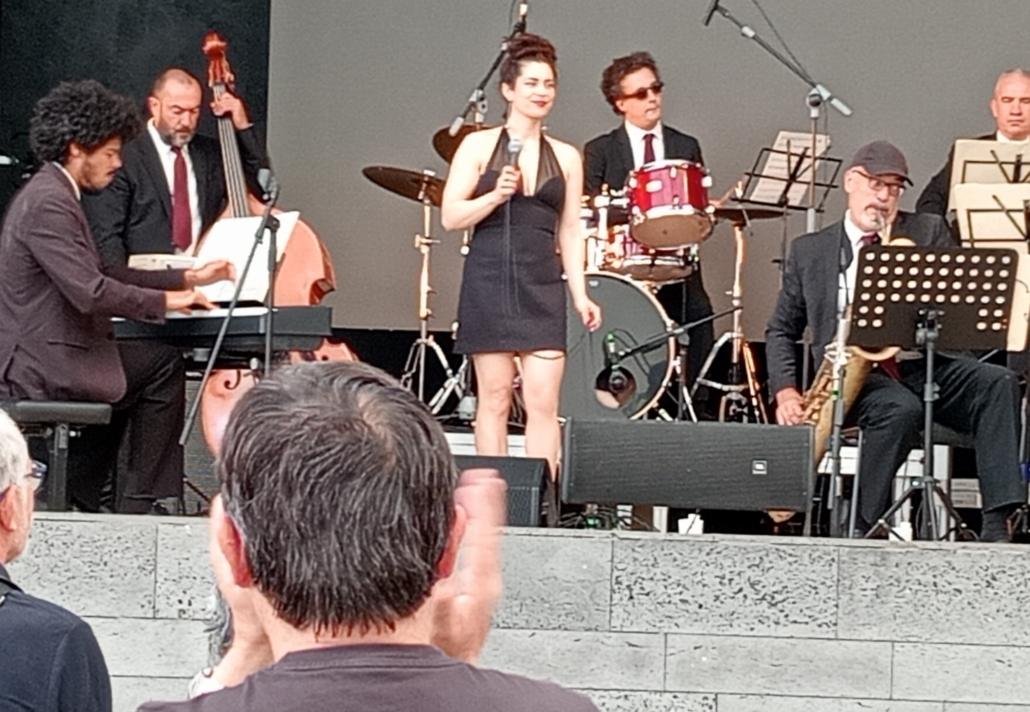
I Like The Way He Does It, a song written and recorded by Ethel Waters way back in 1929 was a highlight here and you can find her recording of it on Spotify. This was another highlight by Esther Vees (left), who seemed to be really enjoying herself as she swapped compliments with members of her orchestra for their instrumental passages, (in particular I was enjoying the pianist and the double bass player for their insertions):
The Very Thought Of You brought this excellent concert to a close, or so we thought, as Esther gave us a rendition faithful to the original, with lyrics and music written by Ray Noble, (for his own jazz orchestra) in 1934. Noble and his orchestra very soon then recorded the song with the invited lead singer being England´s Al Bowlly, one of my favourite ´jazz´ artists of that era.
The concert wasn´t quite over, though, as Esther revealed that we would fade out of the show with a move from swing to some Latin American Music. We were then given two superb numbers that fitted beautifully into that category.
Love For Sale, written by Cole Porter is told from the viewpoint of a working girl advertising her trade as love for sale. The song was first performed on stage by Kathryn Crawford in The New Yorkers, a musical that opened on Broadway in 1930 and ran for over 160 performances.
When the song came out in 1930, a newspaper labelled it as being in bad taste and radio stations avoided broadcasting it. Because of the complaints, Porter shifted the setting of the song in the musical. The white performer of the song, Kathryn Crawford, was told it would be in future performed in a set resembling Harlem´s Cotton Club and therefore would be sung by Elisabeth Welch, an African American,
Later, Ella Fitzgerrald, and Eartha Kitt each recorded the song and Boney M recorded it as the title track of their 1977 disco album.
Tony Bennett had, a few years earlier, released a jazz duet with Lady Gaga and asked her if she would like to record another album with him, that this time would cover Cole Porter songs. The duo recorded Love For Sale as their second collaborative album, and the song was later chosen as the second single off the album, released on September 17, 2021, to digital retailers. The duo’s rendition of the Cole Porter standard is an old-fashioned duet, trading lines and harmonies over the joyous, and has big band, up-tempo arrangement. The song starts with Bennett softly singing the lines alone, with the big band arrangement joining him at the chorus. Gaga, in the role of streetwalker, joins him and trills: “Who will buy?”
There´s a lovely bebop saxophone break on the track that is part of a rendition that brings a “hearty helping of Broadway and some razzle dazzle old-school to the “grim scenario”, of the “sleazy world of sex work”.
There was one more highlight to close the show. Composed by Duke Ellington and Billy Strahorn, Satin Doll had lyrics by Johnny Mercer.
Esther Vees and The Atlantico Lab Orchestra director sadly announced that they had to catch the next ferry over to Fuerteventura so that they could arrive there in time to set up for the performance later that evening.
Esther and the orchestra agreed to pose for some conversation and photograph-taking with the audience. I didn´t manage to get my photograph with the jazz singer, nor with any of the half a dozen of the musicians who had played some marvellous solos or collaborations. I did however manage to hand over my business card and we agreed that we would undertake an e mail interview that I hope to publish in sidetracks & detours soon.
So watch this space. !

SIDETRACKS & DETOURS SUNDAY 6th SEPTEMBER 2026
Canary Cruising,…cool

SIDETRACKS & DETOURS SUNDAY 13th SEPTEMBER 2026
secretly recorded live gigs legitimised on line?
SIDETRACKS & DETOURS SUNDAY 20th SEPTEMBER 2026
Waiting For Godot and Music At Lunchtomes
SIDETRACKS & DETOURS SUNDAY 27th SEPTEMBER 2026
r.i.p. David Alan Coe, songwriter and unreliable narrator


Leave a Reply
Want to join the discussion?Feel free to contribute!