
SIDETRACKS AND DETOURS: Hear Stories We Could Tell, 8th March 2026. featuring The Everly Brothers, Roland Barthes, JP Ekins, classical pianist, Judith Choi, violinist and folk expo UK as well a theatre review of Jim Carthwright´s Road and another great Toad Lane Concert

Words And Music: STORYTELLING
featuring
The Everly Brothers: Americana duo
JP Ekins: Classical pianist
Judith Choi Castro: classical violinist
STORIES WE COULD TELL
The Death Of Author by Roland Barthes
as half-understood by Norman Warwick

In a 1967 essay, The Death Of Author the French literary critic and theorist Roland Barthes (1915–1980) right), spawned a literary theory of the same name. Barthes’ essay argues against traditional literary criticism‘s practice of relying on the intentions and biography of an author to definitively explain the “ultimate meaning” of a text. Instead, the essay emphasizes the primacy of each individual reader’s interpretation of the work over any “definitive” meaning intended by the author, a process in which subtle or unnoticed characteristics may be drawn out for new insight.
I include the short but rather scholarly explanation below of what it was that Barthes was seeking to argue.
In his essay, Barthes argues against the method of reading and criticism that relies on aspects of an author’s identity to distil meaning from the author’s work. In this type of criticism against which he argues, the experiences and biases of the author serve as a definitive “explanation” of the text. For Barthes, however, this method of reading may be apparently tidy and convenient but is actually sloppy and flawed: “To give a text an author” and assign a single, corresponding interpretation to it “is to impose a limit on that text.”
Readers must thus, according to Barthes, separate a literary work from its creator in order to liberate the text from interpretive tyranny (a notion similar to Erich Auerbach‘s discussion of narrative tyranny in biblical parables). Each piece of writing contains multiple layers and meanings. In a well-known passage, Barthes draws an analogy between text and textiles, declaring that a “text is a tissue [or fabric] of quotations”, drawn from “innumerable centers of culture”, rather than from one, individual experience. The essential meaning of a work depends on the impressions of the reader, rather than the “passions” or “tastes” of the writer; “a text’s unity lies not in its origins”, or its creator, “but in its destination”, or its audience.
No longer the focus of creative influence, the author is merely a “scriptor” (a word Barthes uses expressively to disrupt the traditional continuity of power between the terms “author” and “authority”). The scriptor exists to produce but not to explain the work and “is born simultaneously with the text, is in no way equipped with a being preceding or exceeding the writing, [and] is not the subject with the book as predicate.” Every work is “eternally written here and now”, with each re-reading, because the “origin” of meaning lies exclusively in “language itself” and its impressions on the reader.
Barthes notes that the traditional critical approach to literature raises a thorny problem: how can we detect precisely what the writer intended? His answer is that we cannot. He introduces this notion of intention in the epigraph to the essay, taken from Honoré de Balzac‘s story Sarrasine in which a male protagonist mistakes a castrato for a woman and falls in love with him. When, in the passage, the character dotes over his perceived womanliness, Barthes challenges his own readers to determine who is speaking, and about what.
“Is it Balzac the author professing ‘literary’ ideas on femininity? Is it universal wisdom? Romantic psychology? … We can never know.”
Writing, “the destruction of every voice”, defies adherence to a single interpretation or perspective. (Barthes returned to Sarrasine in his book S/Z, where he gave the story a rigorous close reading.)
Acknowledging the presence of this idea (or variations of it) in the works of previous writers, Barthes cited in his essay the poet Stéphane Mallarmé, who said that “it is language that speaks.” He also recognized Marcel Proust as being “concerned with the task of inexorably blurring … the relation between the writer and his characters”; the Surrealist movement for employing the practice of “automatic writing” to express “what the head itself is unaware of”; and the field of linguistics as a discipline for “showing that the whole of enunciation is an empty process.” Barthes’ articulation of the death of the author is a radical and drastic recognition of this severing of authority and authorship. Instead of discovering a “single ‘theological’ meaning (the ‘message’ of the Author-God)”, readers of a text discover that writing, in reality, constitutes “a multi-dimensional space”, which cannot be “deciphered”, only “disentangled”.
“Refusing to assign a ‘secret’, an ultimate meaning” to text “liberates what may be called an anti-theological activity, an activity that is truly revolutionary since to refuse meaning is, in the end, to refuse God and his hypostases—reason, science, law.
The above synopsis might seem a heavy, academic argument that on writing his text the author ´dies´and the text becomes owned by everyman.´
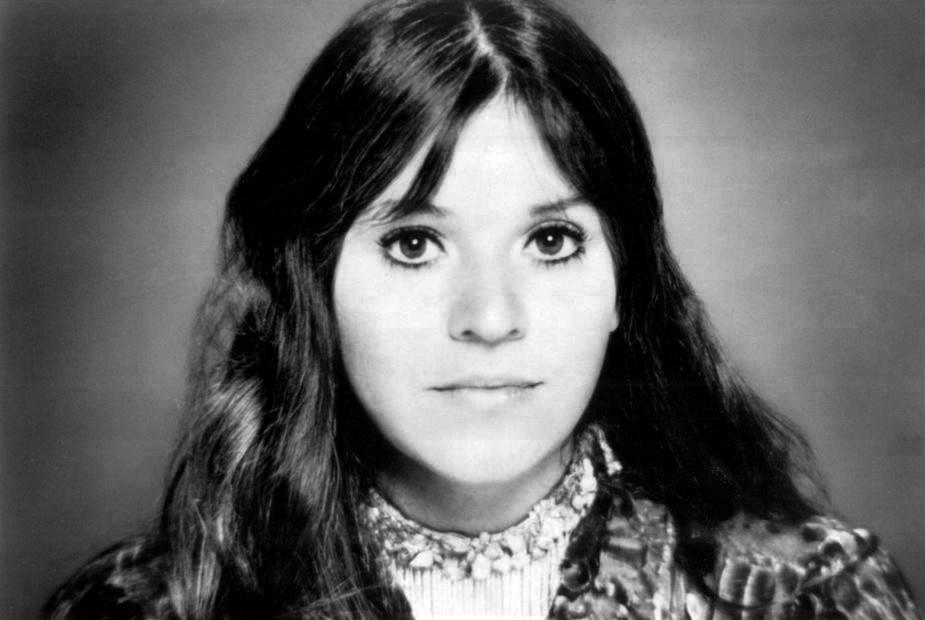
In truth, though, Barthes tome is not far away from Melanie Safka´s (left) rant to Look What They´ve Done To My Song Ma !
“Look What They’ve Done to My Song Ma” is a poignant and reflective song by folk singer-songwriter Melanie, released in 1970 on her album “Candles in the Rain.”
The song’s lyrics express a deep sense of frustration and disillusionment with how her work and creativity have been manipulated and misunderstood., says somebody on the Beta Music site on line.
However, another contributor on the same site says
It’s about 60’s youth caught up in the Vietnam war,
and cites a line from the lyrics to prove the point, “They’ve tied it up in a plastic bag and hung it upside down…”
presumably interpreted as a reference to body bags.
Indeed, look what they´ve done to my song ma.
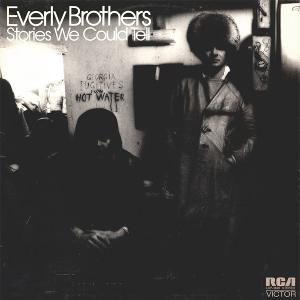
The template album that epitomises the Americana music genre that people such as Peter Pearson and I love was released in 1972 by The Everly Brothers. Don and Phil´s collection, with their unique shared sibling harmonies, is of 12 songs with a playing time of less than forty minutes. Hardly an epic, then, but to me it defines a genre that fills around 1,500 of my 2,000 or so Spotify-created playlists. The album was called Stories We Could Tell, (right) and each track tells a fabled, legendary tale that reveal to me, on each listening, new aspects of American history, global and individual.
Stories We Could Tell was my introduction to several characters, and to incidents that, whether fact or fiction, shaped my view of the world. Some of the songwriters, or the characters they created, could be called unreliable narrators, although I didn´t know that literary term until I took a degree course at the University of Leeds at the age of fifty.
The Americana genre has given me a set of codes I have chosen to live by, served up by singer-writers like Guy Clark, especially of Texas 1942 and Let Him Roll, or Townes Van Zandt with his story of Rex´s Blues, John Stewart (see left) with I Never Got To See New Orleans or The Day The River Sang. I have, through these singer writers, who include Dylan, of course, Leonard Cohen and Tom Paxton and Gary Hall and Emmylou Harris, Kate Wolf and Nanci Griffith, come to recognise the power of story.
On graduating from University I self-employed as a poet and a peripatetic creative writing lecturer in schools, prisons, and adult learning classes and called those sessions Stories We Could Tell !
That album included tracks like Green River penned by John Fogerty, of the famous rock band Credence Clearwater Revival. The group recorded the song that recalled a favourite site of Fogerty´s childhood family holidays. He writes of the area as an idyllic beauty spot, but the final verse introduces us to a character, Old Cody Junior who reassured Fogerty that when the apocalypse hits the earth he will always be able to find a haven at Green River. One closed reading of the lyric led me to reflect on the fact that the area we know Fogerty is describing was a place in which Buffalo Bill Cody lived in a cabin on the banks of Green River. A more open interpretation might lead us to think of Fogerty and his generation, raised in the time of America´s role in the Vietnam War and the suspicions and rhetoric between Russia and America was bringing an apocalypse ever closer.

Mandolin Wind had been written, recorded and released by Rod Stewart (right) as a single, and also as a track on his album Every Picture Tells A Story, a year before the Everly Brothers ´cover version. The song was written as a ballad and was sung from the perspective of an aging farmer who had only just survived ´the worst winter in fourteen years´.
The subject matter is rather distant from Stewart’s real life, but the song still holds a place in his heart. “I love this song to death,” he wrote in his Storyteller compilation. “I believe it to be one of my finest efforts, written in Muswell Hill, North London, in 1969 – a long, long way away from the buffalo and Great Plains of America that the song depicts. It just shows you what a little imagination can do when writing songs´.

The Brand New Tennessee Waltz was written by James Ridout “Jesse” Winchester Jr. (May 17, 1944 – April 11, 2014) (left) an American-Canadian musician and songwriter. He was born and raised in the southern United States. Opposed to the Vietnam War, he moved to Canada in 1967 to avoid the draft. During that time, he began his career as a solo artist. His highest-charting recordings were Yankee Lady in 1970 and Say What. in 1981.
He became a Canadian citizen in 1973, gained amnesty in the U.S. in 1977 and settled in Memphis, Tennessee in 2002.
Jesse Winchester never gained much in the way of commercial attention during his career. His biggest US hit single, “Say What”, scraped its way to No. 32 in 1981. He enjoyed just a tad more success in his adopted home of Canada, but nothing too world-shattering.
Nevertheless, Winchester’s songs were recorded by Patti Page, Elvis Costello, Brewer & Shipley, Jimmy Buffett, Joan Baez, Jerry Garcia, Anne Murray, The Weather Girls, Reba McEntire, the Everly Brothers, Lyle Lovett, Emmylou Harris, George Strait, Gary Allan, Willie Nelson, Jennifer Warnes, The Mavericks, Jerry Jeff Walker and Michael Stanley. Some of these recordings achieved chart positions.
Jesse Winchester, passed away in 2014 at the age of 69, having made a substantial impact on other writers and performers. His songs were marked by a combination of grace and grit, and he had a way of imbuing his lyrics with effortless poetry. As it turns out, he displayed those qualities right from the start.
According to Winchester, The Brand New Tennessee Waltz represented his first legitimate attempt to write a song. By that time, he had relocated to Canada after growing up in the Southern US. Winchester made the move after being drafted for US military service. Because of that decision, he couldn’t return to the US until President Jimmy Carter’s decision to grant amnesty to draft dodgers in 1976.
The writer had his song tell that story in a slightly different way, romanticising the reality of the time.
He begins by sending compliments to a girl he met but he stops her in her tracks before she can get too attached, explaining his history. Winchester suggests true affection only occurs in retrospect anyway. “Because love is mainly just memories,” he explains. “And everyone’s got him a few/So when I’m gone, I’ll be glad to love you.”
Memories of his courtliness will have to last her. “When I leave, it’ll be like I found you, love,” he says. “Descending Victorian stairs.” He feigns indifference to the fact that he’s literally a ghostlike presence to her, like a living photograph. “And getting even by asking who cares,” he shrugs.
In the final verse, the narrator asks for “passionate violins” to be played at his exit. He knows that, even upon leaving, he’ll never again find a true home. It’s easy to read Winchester’s own story into the closing complaint: “’Cause they’ll catch you wherever they’re hid.”
Jesse´s Canadian location didn’t hurt his career opportunities, however. Robbie Robertson of The Band became an early fan and produced his 1970 self-titled debut album. Robertson also managed to get several members of The Band to play on certain tracks, including The Brand New Tennessee Waltz.

Neither Don or Phil Everly could be called prolific songwriters, so it was no surprise that even the title track of the album Stories We Could Tell was not one of their own compositions. Instead, it was written by John Sebastian, (right) leader of an Americana band, The Loving Spoonful.
The Everly Brothers tended to record lyrics and music by composers who delivered universal truths and introduced us to characters they could identify with, telling stories we had all heard or told before, and there were plenty of these on this album. We learned from listening what went on Up In Mabel´s Room and were introduced to characters like Del Rio Dan and a Three Armed, Poker Playing River Rat, with the title track of Stories We Could Tell, summarising the whole album in it´s third verse.
So if you’re on the road trackin’ down your every night
And singin’ for a livin’ ‘neath the brightly colored lights
And if you ever wonder why you ride the carousel
You did it for the stories you could tell
JP EKINS piano
STORIES WE COULD TELL
by Norman Warwick
It was long ago and far away when we sat in very near full Teatro de Tias on 1st November 2025 to hear the skilful and soulful playing of a violin and piano duet. The two instruments always stood in touching distance of each other, at times whispering fervently to each other and at other times shouting out in hallelujahs. They were tracking and tracing tales and telling stories.
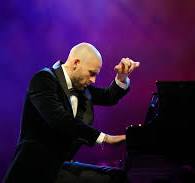
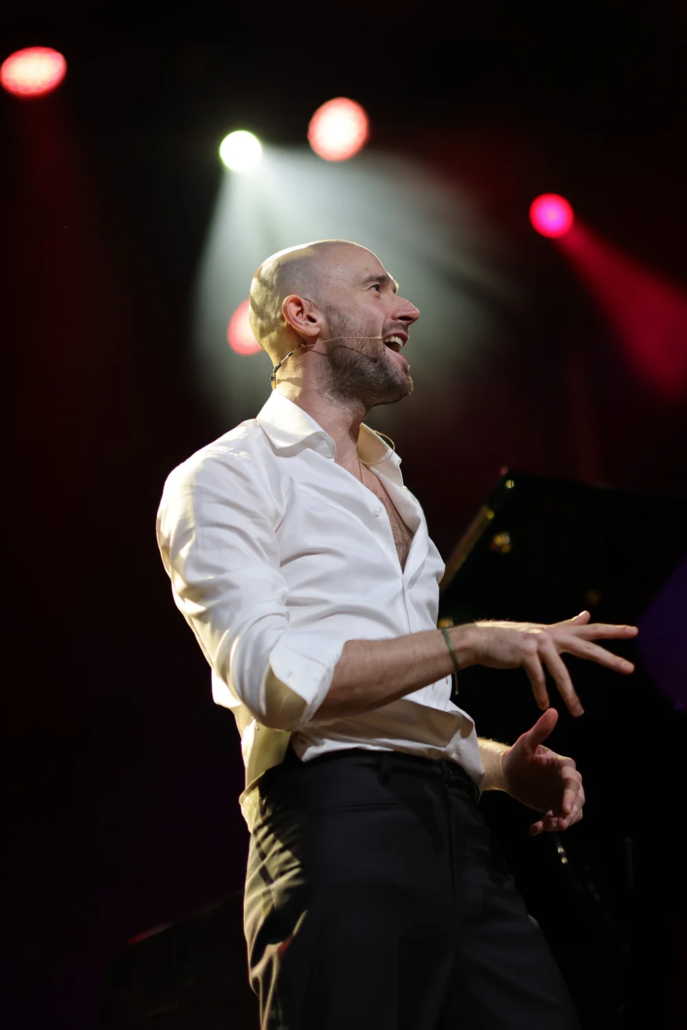
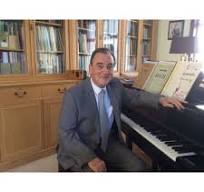
John Paul Ekins (right) is a classical musician who believes that ´the stories we tell ourselves shape our lives´. He says that whenever he tells a story about himself, he feels it is true enough and he believes it at the time. However, he then remains curious as to how his re-telling of that same story might, over time, significantly change !
The story he tells on his web site, in the shape of a short biography, is the story of his life as a musician. It tells of how, when he first sat down at the piano at the age of five, he showed a natural aptitude to such a degree that his parents encouraged him to persue it. They found John Richardson-Chapple who made his piano lessons ´fun and engaging´ even through the struggle of the early years of learning and practice. He remains, even now, unsure that any young child wants to sit at the piano for an hour a day, and he recalls that, in that stage of his learning, ´tears of frustration´ were never far away.
He says that the bullying he endured at primary school saw him blame it on the piano, though he does not say explicitly that it was the root cause of the bullying. Later, as his teenage years were visited by all the insecurities and confusion those years bring, his resistance to the piano grew to a serious consideration that he should give up on the instrument.
He resisted the temptation, however, and his relationship with music, to use his own verb, ´evolved´ until at fifteen years old he found himself at the Royal College Of Music Junior Department taking lessons from the late John Barstow. Ekins´ life was changed, he says, because Barstow was the first person to impress upon him the awesome power hidden in those innocuous looking black dots on the staves.
Ekins suggests that stories were his entry-point into this hidden world. The first aspect of music to really grab him was the symphonic repertoire including Mahler´s grand, heroic tales and the subversive political messaging distributed by Shostakovich. And he says that stories were his entry to the portal of this hidden world.
Albeit that in his early learning a love of music seemed elusive, elusive, he gradually became aware of how music could serve him on a deeply personal level. Music would be a vehicle to carry him to express all the ´weird and wonderful´ emotions already bubbling awa inside him and clamouring to be shared..
He put in the necessary, long hard hours of practice in his late teenage years and his early twenties, then winning admission to the Guildhall School Of And Drama. It was there that Charles Owen proved the most caring and inspirational teach that the young pianist could have wished for. That guidance created a mastery that allowed to freely express himself at the piano and, here´s the thing, to tell his stories from deep in his heart, at the piano, Such stories, he says were of struggle, pain, love, loss joy and awe at the human condition.´ These stories, he found ,reflected in the extraordinary music he was playing.
For the next several years his career grew steadily, earning him success in international competitions. He accumulated nineteen prizes and scholarships and had the honour of being presented to her late majesty, Queen Elizabeth the Second. He even fulfilled a life-long dream of performing concerto pieces at London´s Royal Albert Hall
Then the topic of every conversation that was Covid 19 became a travelling story through a period of upheaval and transformation around the world. Suddenly there was lock-down, cancelled concerts and a career that had been growing steadily with definite cause for optimism, was brought to a halt.
John Paul Ekins, in response, set up an on-line concert series called Cats, Chats and 88 Keys, (Ch88k) with a view to raising money for the NHS, and the music group he usually played with in his home music room consisted of housemates and often three cats. Ekins´ recited, by his own concession, piano with a difference. The birth of Ch88k somehow gave him the freedom to develop and personalise his playing style, which over time, he says, ´began to feel authentic´.
But, even after Covid19 was on the run, came a personal crisis. I can image that the broken arm he suffered around that time could for any pianist threaten to end a career and Ekins says in his biography that these were difficult times, during which his marriage came to an end, and life felt ´frightening and uncertain´.
Nevertheless, the musician found, in times of crisis, the opportunity to grow and transform. He had, for many years, been a keen spectator of the human condition and had a keen interest in psychology: This had developed from his desire to understand himself and to better recognise his own story. To do so required undertaking wider search patterns. Fascinated by how and why we are all the same and each one different he wanted to know how our stories identify us or disguise us, to offer us freedom or keep us imprisoned. Standing at a crossroads in his life JP was fascinated by how and why we are the way we are.
He decided to pursue this passion and began a three year training as a psychotherapist.
When Covid had fled and his broken arm had healed he and his music career took on a new lease of life,…and he found love once more.
His psychotherapy training walked alongside his compulsive personal therapy and together those two trails led him to new pastures. He found himself with a broader perspective, allied to greater self-understanding
and self´-compassion. He was able to ´more intimately relate to existential joys and travails of life´.
Classical musical, he realised, was what made sense, to him, of this this strange world. With its storytelling of universal tales of being alive, classical music gave the pianist an insight in to how human beings, deeply feeling and painfully aware of our transcience and our mortality, somehow transcend this confusing life.
It was, at this stage of increased self-awareness, that serendipity offered him the opportunity to fulfil a life-long opportunity to play, with some autonomy, on a cruise ship ! It gave him the perfect moment to design a show that could cover all the elements of his life experience so far. He could combine the psychological and the emotional. He could host and entertain the passenger guests, and he could share feelings in a way of bringing people (and strangers) closer together. His playing on the piano of life-changing compositions would be the centrepoint of the whole show.
Classical piano has now become his friend and ally, keeping him company in the moments he feels scared or alone, helping him to make sense of things that otherwise only hurt. He is able now to process and combat difficult emotions. He knows he will feel that joy that lies beyond them.
His music and his piano help him share with others his vulnerability and that he admits, ´feels like the greatest gift imaginable.
Meanwhile, his shows raised over £5,000 for the NHS, and you can watch them on YouTube
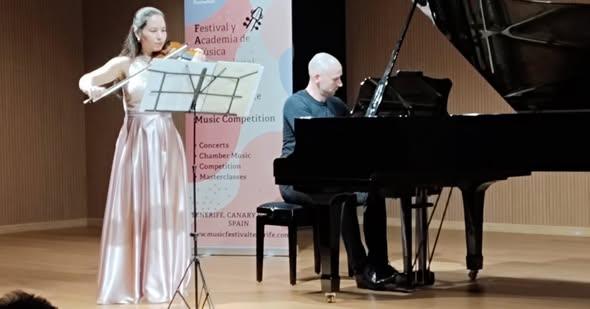
JUDITH CHOI CASTRO violin
was Ekins violinist, helping him create
STORIES WE COULD TELL
Judith Choi was JP Ekin´s partner (above) , playing violin to his piano.
In her own right, Violinist Judith Choi-Castro enjoys a versatile career performing internationally as a soloist, chamber musician and orchestra player. She also collaborates in making recordings, and is the artistic director of the Festival y Academia de Música Internacional in Tenerife.
Judith was born in the Canary Islands, Spain and as a teenager moved to London where she graduated with a BMus (Hons) degree and a Masters degree from the Royal College of Music and the Royal Academy of Music. She also studied in Manhattan School of Music in New York. Her Professors include Maurice Hasson, Yuri Zhislin, Natalia Lomeiko, Mayumi Fujikawa, and Stephanie Gonley.
During her studies she won Hatfield Music Festival 1st prize, J.E Motimer award from Martin Musical Scholarship Foundation, scholarship from Rondo Music society in New York, a violin by Lavazza c.1740 was kindly on loan by the Harrison Frank Foundation and played in international competitions including the Llanes International Competition, Móstoles Violin competition in Spain, Brno International violin competition in Czech Republic and Padova international competition in Italy.
Highlighted concerts and touring include: the Stockhausen Donnerstag aus Licht with the London Sinfonietta at the Royal Festival Hall in London (2019); Beethoven Cycle symphonies at the Barbican in London conducted by Thomas Adès (2019); BBC Proms concerts with Britten Sinfonia, Chineke!, Royal Phliharmonic, London Philharmonic and BBC Symphony Orchestra; Threnody for the Victims of Hiroshima in Royal Festival Hall under the baton of Krzysztof Penderecki. Touring with London Philharmonic, Royal Philharmonic, RSNO and Philharmonia orchestras as part trials in USA, Japan, China, and Europe.
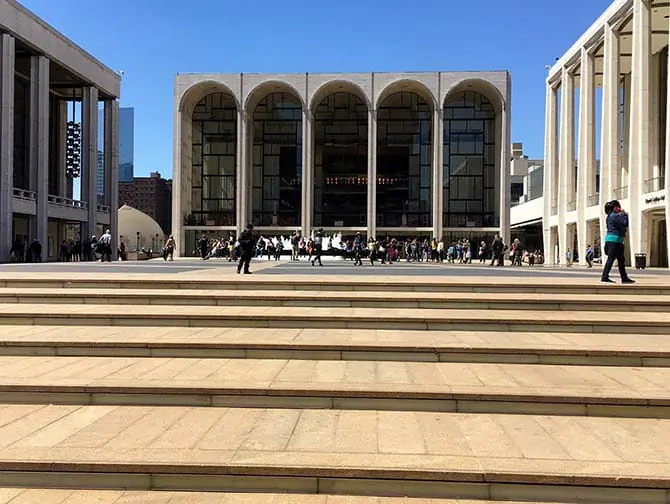
Venues where she performed as a chamber musician include: photo 11 Lincoln Center, New York, St. Martin in the Fields, Fairfield Halls, Fitz William Museum in Cambridge, The National Gallery as part of the Belle Shenkman Music Program, Royal Opera House in Covent Garden. As a soloist she has appeared with Southbank Sinfonia in Italy and Magec Camerata in Spain.
Judith has played in Music Festivals including Aurora in Sweden, Alps in France, Strictly Strings in South Korea, MMCJ Japan, Kronberg Academy in Germany, and Caneti in Portugal, and has received masterclasses from Alan Gilbert, Midori Goto and Dong Suk Kang.
In 2015, Judith recorded her solo debut album photo 12 “Assorted Encores” sponsored by Candelaria council, in Tenerife. She has also recorded several symphonic repertoire with the Royal Philharmonic, London Philharmonic, and London Symphony. Judith has a great interest in Contemporary music and collaborates often with modern composers. She is the violinist of the Albany piano trio, which is focused on commissioning new works of women’s composers. Apart from performing, Judith is also a dedicated teacher. She holds the LRAM teaching diploma from the Royal Academy of Music, enjoys teaching and collaborates often in educational outreach work and workshops

Editor´s Note:
You can find my review of the concert by JP Ekins and Judith Choi Castro in our easy to negotiate archive of over 1,800 free-to-read articles, dated
A Truly Unique Experience reviewed by Seamus Kelly
JIM CARTWRIGHT’S ROAD
Royal Exchange Theatre, Manchester, 2026
Review by Seamus Kelly
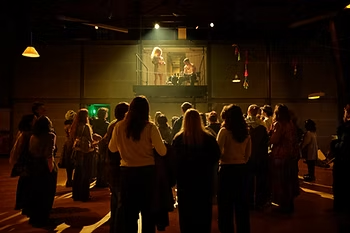
Road, (left) written by Jim Cartwright, is brought to Manchester on its 40th Anniversary as part of the Royal Exchange Theatre’s 50th Anniversary celebrations titled Homecoming.
Road is a powerful indictment of a government or system, led by Margaret Thatcher, that didn’t value the working-class people who were ground down by low wages, unemployment and a lack of hope for the future. Sadly, those same themes feel relevant today
The audience experience at the Royal Exchange is always special as plays are performed in the round in the stunning Module. For this presentation of Road, the audience experienced something truly unique as almost the whole building becomes part of the road. The audience are invited to wander through it mixing with actors and props with little unexpected cameo performances. Clever touches such as a chip shop, a dilapidated van and garage, piles of discarded furniture and lots of old televisions displaying the BBC test card, help to create the vibe of a poverty stricken, northern back street in the 1980s
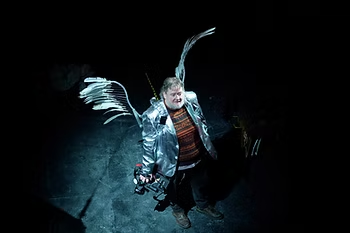
Once the audience have been invited to take their seats in the Module the performers and set design really shine. Johnny Vegas (right) , as Scullery, opens the action and fills the role of a guide to the road and the people who live there. He portrays a brash and somewhat obnoxious man masking his real, thoughtful and hopeless character behind drink and bluster. Throughout the performance Vegas brings a great range of emotions and lots of energy.
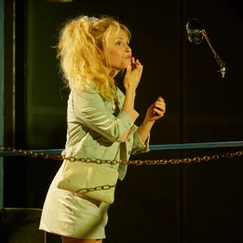
Perhaps the real stars of the show are the three women, Lucy Beaumont (left) , Shobna Gulati and Lesley Joseph who between them portray multiple characters and make each of them feel real and grounded. All three deliver standout moments of humour, sadness, anger and despair with hope emerging in the show’s finale. These women are aware of the harsh realities of their world, and they each have their own ways of handling them with northern grit, humour, tenderness and vulnerability. In our modern times we’d call these women survivors, yet in the broken times forty years ago they’d have been referred to in much more derogatory language.
The play finishes on a note of hope with speeches from the younger generation, one delivered particularly powerfully by Lucy Beaumont, backed by Otis Redding’s Try a Little Tenderness.
The whole cast directed by Selina Cartmell are excellent and the Royal Exchange has created something distinct and memorable.
My only small criticism that the modern audience, far removed from the time and environment portrayed, risk becoming cultural observers, like tourists dropping into a version of the past whilst being insulated from it. That could distract from the themes of the grinding poverty and particularly the lack of hope felt by so many in Thatcher’s Britain.
Having said that the whole experience is powerfully thought provoking and for those of us who remember life in Britain in the eighties there were many recognisable true to life scenes and moments.
Note for those of a sensitive disposition; the play does include lots of very strong language, sexual references and characters smoking and drinking heavily. Also, the heavy use of smoke machines which for some people, including myself, can cause issues.
All performances of Road are currently sold out. Any returned tickets will be released for sale online as they become available.
Road at the Royal Exchange will be a hard act to follow but the 50th Anniversary year celebrations continue with Noel Coward’s Private Lives, running from 27th March to 2nd May, and a further five big productions. Details of all shows can be found on The Royal Exchange website.
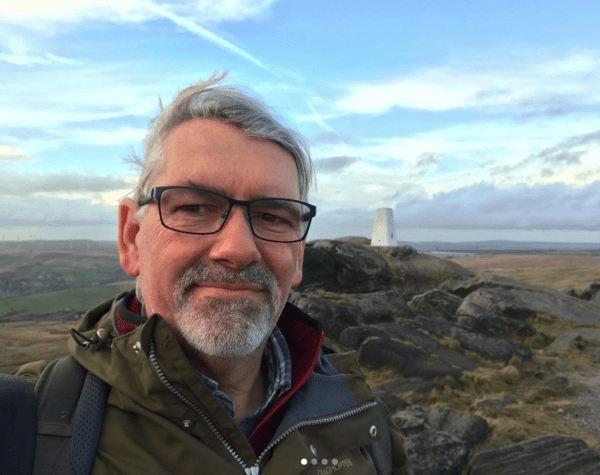
© Seamus Kelly
Seamus is a Rochdale based Irish / English poet originally from the midlands. In 2015 Seamus took the plunge giving up his full time job in sustainable travel to become a professional poet and writer. He is also a photographer and visual artist and has adopted onepoetsvision as a name to encompass all of those platforms.
ADRIAN LORD: PIANIST AND COMPOSER
a Toad Lane Concert February 2026
Review by Dr Joe Dawson
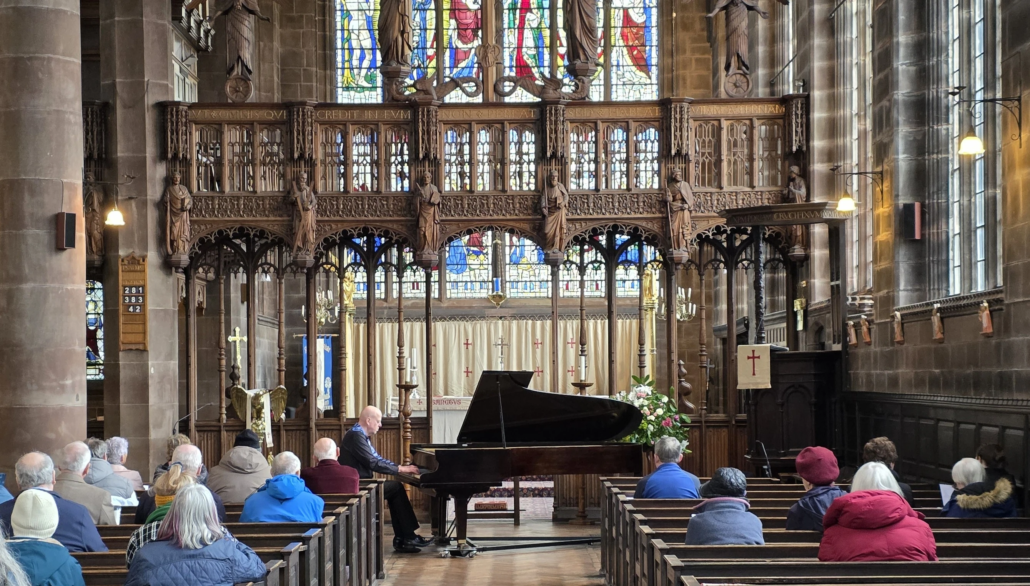
The 1,174th recital since taking over from the council in 2001 was entirely written and performed by a living composer. Born and bred in Cheshire, Adrian Lord studied at the Royal Northern College Of Music and the Colchester Institute School of Music. However, his late father was born and bred in Milnrow and attended Rochdale Grammar School, which perhaps grants the son with token Rochdale citizenship? This charming recital, played from memory with genial introductions certainly endeared him to this Rochdale audience at St Mary in the Baum.
Adrian released his debut album, Journey – Twelve Romances for Piano in 2016, followed by Sky Blue Piano (2018), Piano Meditations (2021), Piano Postcards (2023), and Elements was a finalist at the 2025 Art of Piano Education Awards. His piano music is now played on the in-flight entertainment on British Airways, Oman Air and Qatar.
You could say his music has fledged, taken off and is starting to fly!
The first set of pieces in his programme was from his latest album Mosaic. With titles like Eira, Liquid Gold, Iridescence, Starry Night, and Autumn Leaves the overall theme was colour – a mood-board of images in sound consisting in crafted miniatures – illusorily easy to play and certainly easy to listen to. We sat back, relaxed and enjoyed the experience. For the player, these condensed, sometimes wistful pieces make charming additions to the intermediate educational repertoire or simply playing for pleasure.
The last set of his concert included some of his ‘greatest hits.’ The jaunty upbeat take on the mediaeval carol Gaudete shook us out of our revery for a while; then Discovery (from Sky Blue Piano) which was voted the most streamed piece on Spotify; and Evermore (from Piano Meditations), which was aired during the Pandemic when he won new followers through twice-weekly Facebook Lives (described as a “must-watch” online piano performance by Pianist magazine).
Adrian’s final piece, Time to Remember (from Journey – Twelve Romances for Piano) brought him round to his beginnings and was dedicated to mum!
A kind of ‘Knutsford Einaudi,’ Adrian proved as approachable and engaging as his music proved accessible, anmd several people stayed to chat, peruse and purchase his books, CDs … and vinyl.
The Queen’s Award-winning Toad Lane Concerts take place every Wednesday at 12.30pm at the Grade 1 listed church of St Mary in the Baum, Toad Lane, Rochdale, OL16 1DZ. Entrance fee is £6.
Contact 01706 648872 for further information.
© DR. JOE DAWSON
Dr. Joe is a very familiar figure at occasions musical in Rochdale – not least the Rochdale Music Society Concert series. Joe was educated at Rochdale Grammar School and Manchester’s Royal College of Music, College of Education and University. He held senior positions in schools and colleges for over twenty years and through the 1980s was founder-MD of Rochdale Amateur Orchestra. He now teaches singing, piano and theory privately, organises Rochdale’s weekly Music at Lunchtime and continues to be an active musician. An original subscriber to Rochdale Music Society he has also reviewed almost every concert since 1988 for The Rochdale Observer.
By way of distraction he studies Law and English with the Open University.
THE INAUGURAL fOLK ALBUM OF THE YEAR GALA ARRIVES IN ROCHDALE THIS MONTH

we´ll see you there, say Folk Expo and Sound Roots
In just over two weeks’ time on Tuesday 17 March, the Folk Album of the Year Award Gala will take place in the magnificent surroundings of the newly refurbished Rochdale Town Hall. The evening will celebrate the nine shortlisted albums, featuring live performances from the nominated artists and culminating in the announcement of our inaugural winner
THE NOMINEES INCLUDE. (see right)

PHOTO 2 Registered English Folk Expo 2026 delegates are all invited and but need to secure their complimentary ticket to the gala by Friday 6 March via the link below. Availability is limited and tickets will be allocated on a first-come, first-served basis.
Members of the wider industry who wish to attend should contact terry@englishfolkexpo.com to be added to the waiting list.
The event will also be free to livestream at 7pm on Tuesday 17 March via Folk on Foot’s YouTube channel. Sign up to their mailing list and keep an eye on our social media channels, as we will be sharing the direct link later this month.
The Folk Album of the Year Award is supported by Rochdale Development Agency and forms a key part of Rochdale’s 2026 Town of Culture celebrations.
Peter’s Field Spring Tour Starts This Month
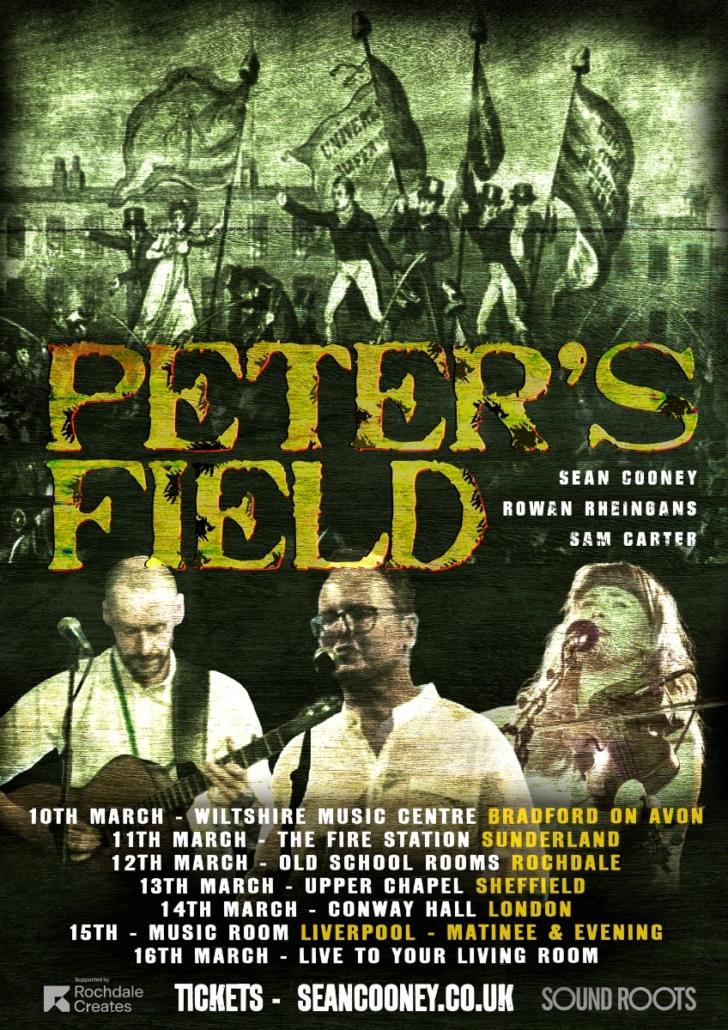
PHOTO 3 Sean Cooney’s epic musical chronicle Peter’s Field hits the road next week, ahead of the album’s eagerly anticipated release.
Peter’s Field commemorates one of the most pivotal days in working-class history, offering a vivid retelling of the events that shaped the struggle for justice.
The album will be released on Monday 23 March, with copies also available at all UK tour dates. Catch Sean Cooney, Rowan Rheingans and Sam Carter on tour to be among the first to experience these stirring evocations of Peterloo on record.
“It is a compelling, passionate performance, radio-ballad-like, evocative and haunting.” – Songlines

FOLK ROOTS CHARTS MARCH 2026
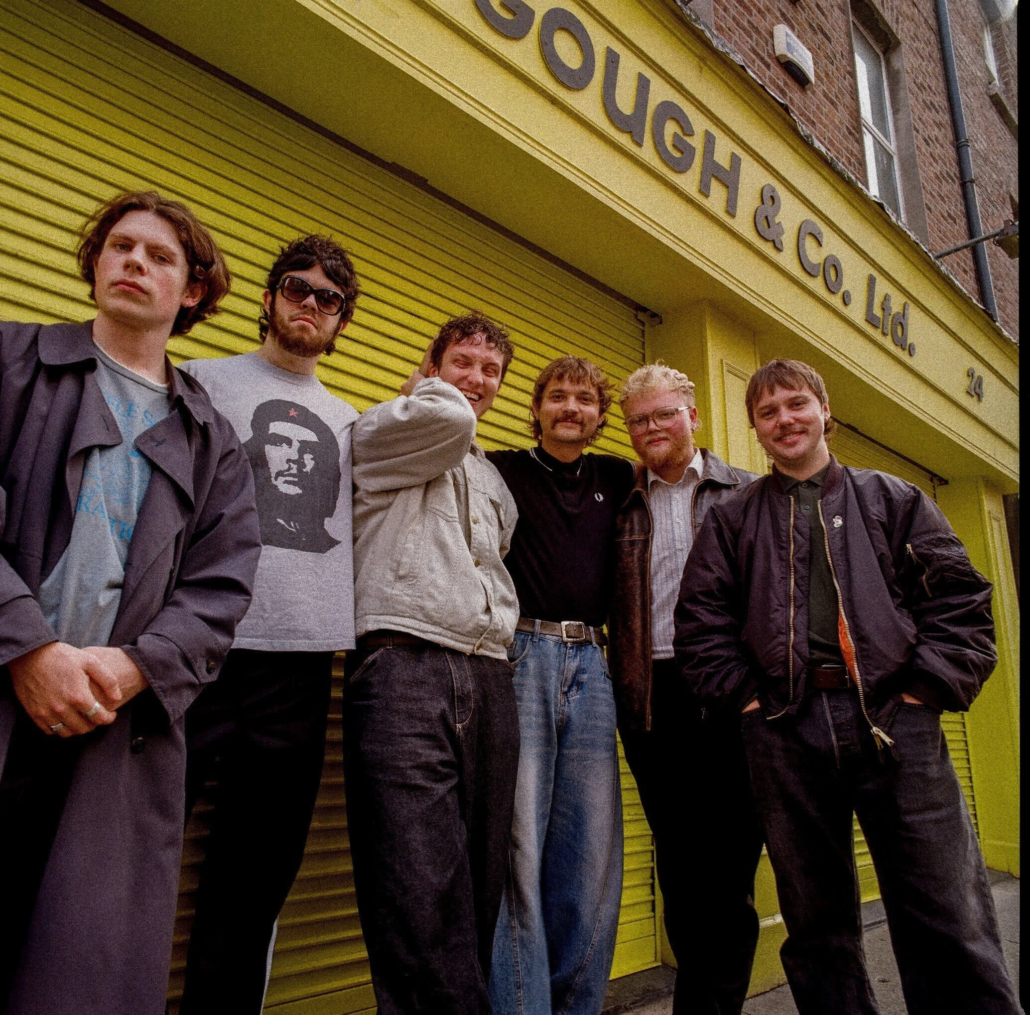
Irish alternative-folk six-piece Madra Salach debut EP, It’s a Hell of an Age, is new at No. 4. The band sparked a word-of-mouth buzz across festival crowds and the Irish music press this summer and have received support from Nialler9, Hot Press, The Line of Best Fit, So Young, DIY Magazine and The Independent.
Madra Salach’s debut EP, It’s a Hell of an Age, is a piece of work so devastatingly beautiful that it will haunt you for days after your first listen.
If you don’t know, get to know Madra Salach (right) , the six-piece folk band from Dublin, Ireland, who have been steadily taking over the Irish music scene long before their debut EP, It’s a Hell of an Age, was ever announced. It is rare these days for a band to build up their presence, to be the name on everyone’s lips, to gather a following, without officially releasing any music, but that’s exactly what Madra Salach did. Instead, the band captured people’s attention through their live performances. It is a testament to their talent, blinding proof of it really, how quickly word spread of the six-piece, particularly during the second half of 2025. “Have you heard of these lads?” “You must go see them if you’re at that festival,” “So and so told me to go see Madra Salach,” and similar sentences could be heard around various music events throughout Ireland. Now, with an impressive number of gigs and festivals already under their belts, the band are finally releasing their debut EP, It’s a Hell of an Age, on January 23rd.
With It’s A Hell Of An Age, Madra Salach have taken folk music and spun it on its head. They’ve pulled “traditional folk” apart by the seams and added their own experimental layers to it, the mandolin blending with the electronic sounds of the synth, the crashing of drums, the depth created by the harmonium. These layers, combined with the guttural vocals of lead singer Paul Banks, are exactly why word of the band spread in the first place. They’ve made sure that these layers are present, that their unique sound can be heard loud and clear, their talent bleeding through every track on the EP.
check on line for the above review.
Multi-award-winning Irish band Ye Vagabonds’ fourth album, All Tied Together, lands at No. 7. Recorded live in a house in Galway with acclaimed producer Philip Weinrobe (Big Thief, Adrienne Lenker) at the helm, the powerful and cinematic album features deeply evocative original songs infused with memory, tribute and gratitude. “All these songs have addresses,” says co-frontman Diarmuid Mac Gloinn. “They’re about specific locations and specific people.”
Dutch-British singer-songwriter and composer Tessa Rose Jackson’s third studio album, The Lighthouse, enters at No. 13. Rich with ghostly folklore, spectral folk and cinematic alt-pop textures, the record was written during a secluded period in rural France. It also sees Jackson stepping out from behind her acclaimed decade-long moniker, Someone, to embrace her own name once more.
RANT’s fifth album, Live in Glasgow, comes in at No. 25. Comprising four of the country’s finest players – Gillan Frame, Lauren MacColl, Anna Massie and Bethany Reid – who met while studying music in Glasgow, the group chose Cottiers Theatre for this one-night-only recording, capturing their rich, harmonious sound.

EDITOR´S NOTE
This has been a typical sample of the best of concerts attended by our volunteer contributors. It also includes the recorded music we listen to in the Sidetracks & Detours office on Lanzarote !

Americana,
Blues, Choral, Classical, Country, Folk, Funk, Garage, House, Indie, Jazz, K Pop, Lounge Mariarchie, Orchestral, Rock n Roll, Soul, Transatlantic, Underground, and World. We are grateful to Mr. Ekins and Judith Choi for reminding us all over again of the Stories We Could (All) Tell.
These stories could also be told by any of the following authors,
accordion, clarinet,
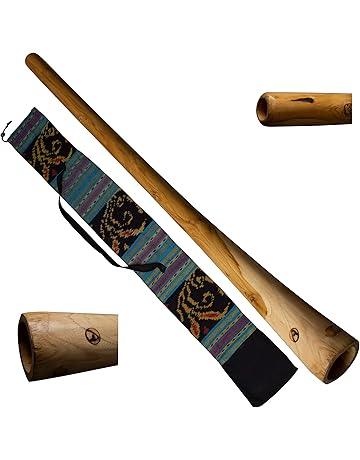
didgeridoo, (above)
euphonium, flugelhorn, guitar, hurdy gurdy, irish tin whistle, jaw harp, kettledrum, lyre, mandolin, nadastaram, oboe, piano, quanun, rainstick, saxophone,
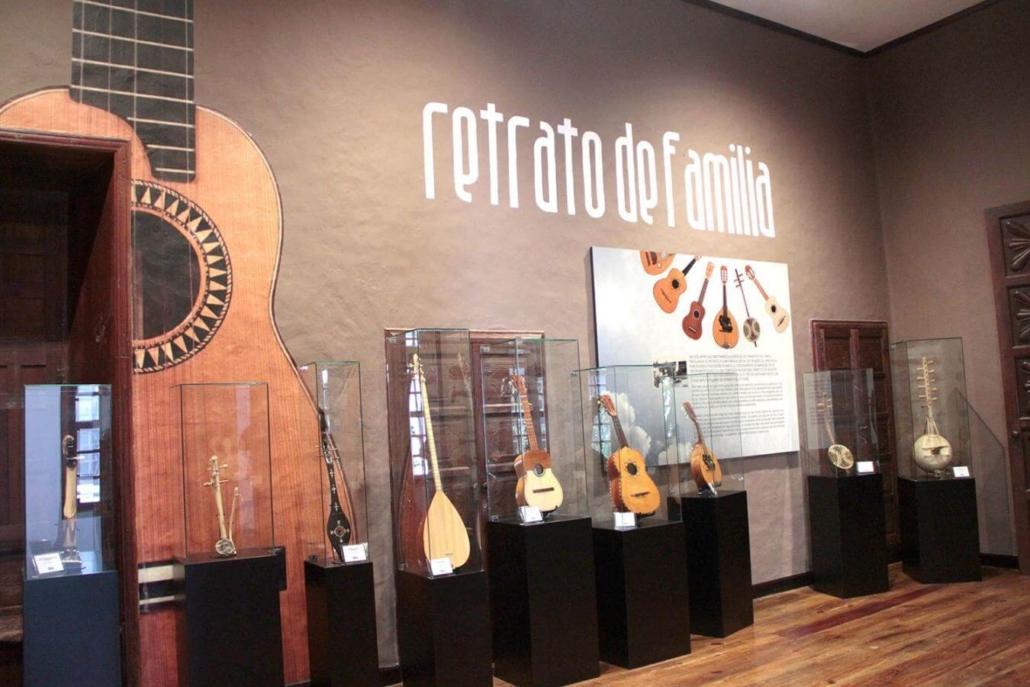
timple,
Lanzarote´s unique timple museum
ukulele, violin, washboard, xylophone, yang chin and zither.

SIDETRACKS & DETOURS
Sunday 15th March featuring
THE RASCALLITY HARP DUO
Sunday 22nd March featuring
SEVENTEEN NOMINATIONS FOR INDUCTION ROCK AND ROLL HALL OF FAME
Sunday 29th March featuring
NEIL SEDAKA
showman and songwriter
&
LABI SIFFRE
songwriter of (Something Inside) So Strong
Sunday April 5th featuring
SONGWRITERS & INVISIBLE ANGELS
chapter two
by
Peter Pearson & Norman Warwick
featuring
BILL MORRISEY & GARY HALL
Sunday 12th April featuring
MUSIC IN PORTSMOUTH
featuring
KAREN KINGLEY pianist
&
THE FREE RADICALS a cappella
Sunday 19th April featuring
ROCHDALE RISING
featuring
ELYSSE MASON, THE TAILS, 25th HOUR, COYOTE
&
DJ ADAM STATHAM
Sunday 26th April featuring
GORILLAZ IN THE MISSED OPPORTUNITY?
featuring
reviews of The Mountain
Sunday 3rd May featuring
HOW MUSIC MOVES IN US AND AROUND US
an appreciation of
DAVE COUSINS & HIS STRAWBS ASSOCIATES
Sunday 10th May featuring
WHAT DO YOU DO
WHEN YOU´RE LONESOME?
The life and legacy
JUSTIN TOWNES EARLE
Sunday 17th May
WHERE IMAGINATION BEGINS.
Sunday 24th May featuring
CANARY ISLANDS IN CRUISE CONTROL
++ remember that we also publish occasional Sunday Editions ++
containing
news, previews, interviews and reviews
++ so why not log in each Sunday if you wish to catch up ++


Leave a Reply
Want to join the discussion?Feel free to contribute!